 Chat With Us

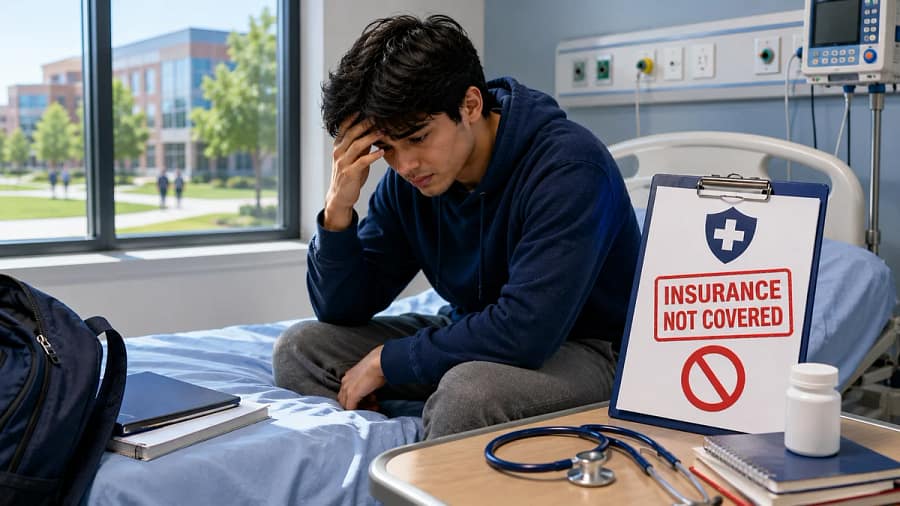
Studying in the United States can be an exciting experience, but dealing with an unexpected illness or injury without health insurance can quickly become stressful. Medical care in the U.S. can be expensive, and even a routine doctor visit, diagnostic test, or prescription can create significant out-of-pocket costs.
International students can still receive medical care without health insurance. However, they may be responsible for paying the full cost of doctor visits, diagnostic tests, prescription medications, emergency treatment, hospitalization, and other medical services themselves. Understanding the available healthcare options and the importance of appropriate insurance can help students avoid unnecessary financial and academic difficulties.
Yes. International students can generally receive medical care in the United States even if they do not have health insurance. Depending on their medical needs, they may visit a doctor’s office, urgent care center, community clinic, campus health center, or hospital.
However, without insurance, the student may be responsible for paying the provider directly. These expenses can include:
For a minor illness, the cost may be manageable. However, a serious illness, accident, surgery, or hospital stay can result in substantial medical expenses.
Students should never avoid seeking emergency medical treatment simply because they do not have health insurance.
Hospital emergency departments generally have obligations to evaluate and stabilize patients experiencing emergency medical conditions, regardless of their insurance status or ability to pay immediately. However, receiving emergency treatment does not mean that the care is free.
Depending on the situation, the student may later receive separate bills for:
| During the Emergency | After Treatment |
|---|---|
| Medical screening | Hospital bill |
| Emergency stabilization | Physician charges |
| Diagnostic testing | Laboratory and imaging bills |
| Emergency medications | Medication charges |
| Hospital admission when necessary | Ambulance or specialist bills |
An uninsured student may ultimately be responsible for the entire amount charged for these services.
Not every illness requires a visit to the emergency room. For common conditions such as fever, flu symptoms, minor infections, allergies, stomach problems, or mild injuries, students may have more affordable healthcare options.
A university or college health center can often be a good starting point. Depending on the school, certain services may already be included in student fees. However, laboratory tests, prescriptions, specialist referrals, or treatment outside the campus clinic may involve additional costs.
Urgent care may be appropriate for medical problems that require prompt attention but are not life-threatening.
Examples may include:
Students without insurance may want to ask about self-pay rates before receiving non-emergency treatment.
Community health centers and nonprofit clinics may also provide healthcare at reduced rates based on income or ability to pay.
These facilities can be useful for students who need routine or non-emergency medical care but do not have insurance.
Yes. Without health insurance, a student is generally responsible for paying eligible medical charges directly. A single unexpected illness or injury can create significant financial pressure for an uninsured student.
Students who receive medical bills may consider:
Ignoring medical bills can create additional financial problems, particularly if unpaid balances are eventually sent to collections
There is no single federal health insurance requirement that applies to every F-1 student. However, individual colleges and universities may have their own insurance requirements.
Some schools automatically enroll international students in a university-sponsored health plan. Others may allow students to purchase outside insurance if it meets the school’s waiver requirements.
Universities may require students to:
Before purchasing an outside policy, students should always review their university’s specific insurance requirements.
J-1 exchange visitors are subject to specific health insurance requirements.
J-1 participants and eligible J-2 dependents are generally required to maintain insurance covering sickness and accidents during their exchange program.
| Coverage Type | Minimum Requirement |
|---|---|
| Medical benefits per accident or illness | $100,000 |
| Medical evacuation | $50,000 |
| Repatriation of remains | $25,000 |
| Maximum deductible | $500 per accident or illness |
Along with the above requirements, plan should be underwritten by an insurance corporation with-
An A.M. Best rating of “A-” or above,
Or an Insurance Solvency International Ltd. (ISI) rating of “A-I” or above,
Or a Standard and Poor’s Claims Paying Ability rating of “A-” or above,
Or a Weiss Research Inc. rating of B+ or above.
Students should confirm that any insurance plan they choose meets all applicable program requirements. The sponsoring organization (school, University, or work-exchange organization) may have additional requirements,
Having health insurance does not mean every medical expense is automatically covered. Deductibles, copayments, coinsurance, exclusions, and policy limits may still apply. However, insurance can provide important financial protection against eligible medical expenses.
| With Health Insurance | Without Health Insurance |
|---|---|
| Eligible expenses may be covered according to the policy | Students generally pay medical expenses directly |
| Access to negotiated network rates may be available | Provider’s self-pay charges may apply |
| Deductibles, copays, or coinsurance may apply | Full treatment cost may be the student’s responsibility |
| Emergency and hospitalization benefits may be included | Hospital bills can become a significant financial burden |
| Medical evacuation may be covered under most plans | Evacuation costs may have to be paid personally |
Actual benefits depend on the specific insurance policy.
Students should not choose a health insurance plan based only on the monthly premium. It is important to compare the benefits, limitations, exclusions, and out-of-pocket costs.
Look for coverage that include the following benefits:
Review the policy’s:
Depending on the student’s visa status and circumstances, it may be important to review:
International students may have different insurance needs depending on their visa status, university requirements, age, dependents, and length of stay in the United States.
Before choosing a policy, students should confirm their university’s insurance requirements and determine whether an outside insurance plan can satisfy the school’s waiver requirements. If outside insurance is permitted, they should compare plans carefully to determine whether the coverage meets both their school’s requirements and their personal healthcare needs.
Visitor Guard® helps international students compare health insurance options that is suitable for:
There is no single federal health insurance requirement for all F-1 students, but many colleges and universities require international students to maintain approved health insurance.
Yes. J-1 exchange visitors and eligible J-2 dependents must maintain health insurance that meets the applicable Exchange Visitor Program requirements.
Campus health centers, community health centers, nonprofit clinics, and urgent care facilities may be more affordable than hospital emergency rooms for non-emergency conditions.
In many cases, yes. Some campus health services may be included in student fees, while tests, medications, specialist referrals, or outside treatment may involve additional charges.
It depends on the policy. Some plans provide coverage for pre-existing conditions, while others may have exclusions, waiting periods, or limited benefits. Students should review the policy details carefully.
Some plans include mental health benefits such as counseling or behavioral health treatment, but coverage limits and exclusions vary. Students should verify these benefits before enrolling.
Some plans may continue or offer coverage during Optional Practical Training or Curricular Practical Training. Students should confirm eligibility, effective dates, and coverage terms with the insurer.
Getting sick or injured without health insurance can create serious financial challenges for an international student in the United States. While medical care is still available, the student may be responsible for paying doctor, hospital, diagnostic, prescription, and emergency expenses out of pocket.
Before an unexpected medical problem occurs, international students should understand their university’s insurance requirements, review the healthcare options available to them, and carefully compare plans based on benefits, provider networks, deductibles, exclusions, and coverage limits. Choosing appropriate health insurance can provide valuable financial protection and greater peace of mind throughout their stay in the U.S.


Travelers with multiple pre-existing medical conditions often have an important question when buying visitor.
Explore More
Air travel disruptions have become increasingly common, such as severe weather conditions, airport closures, airline.
Explore More
Traveling to the United States with a baby under one year old can be.
Explore More