 Chat With Us

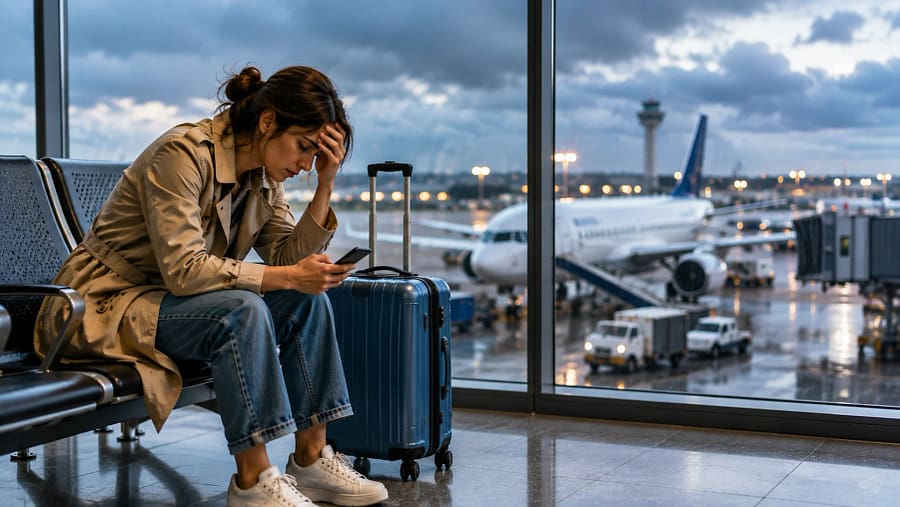
Travel delays are an unfortunate reality for millions of travelers every year. Flights may be delayed because of severe weather, mechanical problems, airline staffing shortages, airport congestion, security issues, or other unexpected events. Even a delay of just a few hours can disrupt carefully planned itineraries and lead to additional expenses for meals, hotels, transportation, and other necessities.
Fortunately, many comprehensive visitor insurance and travel insurance plans include trip delay coverage, which may reimburse eligible expenses when a covered delay interrupts your journey. However, not every delayed flight results in a successful insurance claim. In fact, many claims are denied because travelers misunderstand their policy, fail to meet the eligibility requirements, or submit incomplete documentation.
Understanding why claims are denied—and what you can do to avoid common mistakes—can help you maximize your benefits and improve your chances of receiving reimbursement when an unexpected delay occurs.
Travel delay coverage is a travel insurance benefit that helps reimburse reasonable and necessary expenses incurred when a covered travel delay prevents you from continuing your trip as scheduled.
Instead of paying for every inconvenience caused by a delay, this benefit is designed to help offset unexpected expenses that arise while you wait for your journey to resume.
Depending on your visitor insurance plan, eligible expenses may include:
Coverage is always subject to the policy’s terms, waiting period, maximum benefit limits, and covered reasons. Every insurance company structures this benefit differently, so reviewing your certificate before traveling is important.
Many travelers assume that any delayed flight automatically qualifies for reimbursement. Unfortunately, that is not how travel insurance works.
Insurance companies evaluate every claim against the policy’s terms and conditions.
Before approving payment, they typically verify:
If any requirement is missing, the claim may be partially reimbursed or denied altogether. Understanding these requirements before traveling can prevent unnecessary delays, claim issues, and unnecessary denials.
One of the most common reasons claims are denied is that the delay simply was not long enough.
Most visitor insurance plans require the delay to exceed a minimum number of hours before benefits become available.
Depending on the policy, this waiting period may be:
| Waiting Period | Coverage May Begin After |
|---|---|
| 6 hours | Some plans |
| 12 hours | Many plans |
| 24 hours | Certain limited benefit plans |
For example, if your policy requires a 12-hour delay, but your flight is delayed for only 8 hours, your claim may be denied.
Before traveling, always verify:
Knowing these details helps set realistic expectations before filing a claim.
Not every travel delay qualifies for reimbursement.
Trip delay benefits generally apply only when the delay results from a covered event specifically listed in the policy.
Covered reasons often include:
However, delays caused by personal decisions are generally excluded.
Reasons that may not be covered include:
Insurance protects against unexpected events, not situations within the traveler’s control. The reason for the delay must usually match one of the policy’s covered events. Always review the list of covered reasons before assuming a delay will qualify.
Another major reason claims are denied is the lack of official documentation.
Insurance companies cannot simply rely on your statement that a delay occurred. They usually require independent proof verifying:
Acceptable documentation often includes:
The more documentation you collect while traveling, the smoother the claims process is likely to be.
If possible, ask the airline for written confirmation before leaving the airport. It may save considerable time later when filing your claim.
Travel delay coverage generally reimburses actual eligible expenses, not estimated costs.
If you cannot prove what you spent, reimbursement may not be possible. Without receipts, the insurance company may have no way to verify how much you spent.
Whenever your trip is delayed, keep receipts for:
Digital receipts are usually acceptable as long as they clearly show:
A simple habit of saving receipts in one folder on your phone can make the reimbursement process much easier.
Trip delay coverage is designed to reimburse reasonable and necessary expenses that arise because of a covered delay. It is not intended to pay for every purchase made while waiting for your flight.
Generally, eligible expenses may include:
However, many policies exclude expenses that are considered discretionary or unnecessary.
Examples of expenses that are often not covered include:
For example, if your airline delay requires an overnight stay and you choose a five-star luxury hotel when a reasonably priced hotel is available nearby, the insurance company may reimburse only what it considers a reasonable lodging expense—or deny the excess amount altogether.
Before making purchases during a delay, think about whether the expense is truly necessary because of the interruption to your trip. When in doubt, keep the expense reasonable and retain all receipts.
Even when expenses are covered, reimbursement is limited, by the benefit amounts stated in your policy.
Most travel delay benefits include:
For example:
| Expense | Actual Cost | Maximum Reimbursable* |
|---|---|---|
| Hotel | $350 | $200 |
| Meals | $120 | $80 |
| Transportation | $100 | $75 |
*Example only.
In this example, the traveler spent $570, but the insurance company would reimburse only $355, assuming all expenses were otherwise eligible.
Many travelers mistakenly believe insurance will reimburse every dollar they spend during a delay. In reality, policies contain benefit caps designed to limit the insurer’s liability.
Before purchasing travel insurance, compare:
Higher-end travel insurance plans often provide more generous trip delay benefits, making them worthwhile for expensive international trips.
Travel insurance policies typically require claims to be submitted within a specified period after the trip ends or after the covered event occurs.
Missing the filing deadline may result in claim denial—even if every other requirement has been met.
To avoid unnecessary problems:
Submitting your claim promptly also helps speed up processing.
Incomplete claims are one of the easiest and avoidable reasons for delayed or denied claims.
Most insurers require several supporting documents before they can evaluate a claim.
Typical documentation includes:
Before submitting your claim, review the insurer’s checklist to ensure nothing is missing.
Taking a few extra minutes to verify your documentation can prevent weeks of unnecessary back-and-forth communication.
Airlines may sometimes provide:
If the airline has already paid for an expense, your insurance company generally will not reimburse you for the same cost.
Insurance is intended to cover eligible expenses that have not already been reimbursed by another source.
For example, if the airline provides a complimentary hotel room, you typically cannot submit a hotel reimbursement claim under your travel insurance policy.
However, if the airline covers your hotel but not your meals or taxi fare, your insurance may still reimburse those eligible expenses, subject to the policy’s limits.
Understanding how airline compensation and travel insurance work together helps avoid duplicate claims and unnecessary claim denials.
Insurance is designed to protect against unexpected events.
If you purchase coverage after a disruption is already known, the resulting losses may not be covered.
Examples include:
These situations are generally considered foreseeable events rather than unforeseen risks.
If severe weather or another disruption has already been widely reported before you purchase your policy, review the insurer’s exclusions carefully. Coverage for known events is often limited or unavailable.
Travel insurance does not cover delays resulting from the traveler’s own actions.
Common examples include:
These situations are generally considered preventable and therefore fall outside the scope of travel delay coverage.
Allowing extra time for airport security, checking passport requirements, and monitoring your flight schedule can significantly reduce the risk of avoidable travel disruptions.
Insurance claims depend on accurate information.
Even small mistakes can delay processing or require additional verification.
Always double-check:
Knowingly providing false information may result not only in claim denial but, in serious cases, policy cancellation or fraud investigations.
Honesty and complete documentation remain the best way to ensure a smooth claims process.
Not every visitor insurance plan includes trip delay benefits.
Some fixed-benefit plans provide limited protection—or none at all—while many comprehensive visitor insurance plans include trip delay coverage subject to benefit limits and policy conditions.
Before purchasing any policy, verify:
Understanding your policy before traveling can prevent unpleasant surprises if your trip is unexpectedly interrupted.
Follow these best practices if your trip is delayed:
Before You Travel
During the Delay
After the Trip
Being organized can significantly reduce processing delays.
| Item | Required? |
|---|---|
| Claim form | ✔ |
| Airline delay confirmation | ✔ |
| Boarding passes | ✔ |
| Flight itinerary | ✔ |
| Hotel receipts | ✔ (if claimed) |
| Meal receipts | ✔ (if claimed) |
| Transportation receipts | ✔ (if claimed) |
| Passport copy (if requested) | ✔ |
No. The delay must usually exceed the minimum waiting period and result from a covered reason outlined in your visitor insurance policy.
Generally, no. Most insurers require receipts to verify eligible expenses. Without proof of purchase, reimbursement may be reduced or denied. Most insurers require receipts to verify eligible expenses. Without proof of purchase, reimbursement may be reduced or denied.
Usually not. Insurance typically does not reimburse expenses that have already been paid or provided by the airline or another source.
In most cases, travel delay benefits focus on reasonable additional expenses such as lodging, meals, and transportation. Prepaid activities may only be covered if specifically included in your policy.
Processing times vary by insurer and depend on the completeness of your documentation. Submitting all required forms and receipts promptly can help speed up the review.
Travel delay coverage can provide valuable financial support, but only when the claim meets your policy’s requirements. Reviewing your visitor insurance benefits, keeping official proof of the delay, saving all receipts, and submitting complete documentation on time can help reduce the risk of claim denial and make the reimbursement process much smoother.
To know more about travel delay coverage and claims, contact Visitor Guard®.


Studying in the United States can be an exciting experience, but dealing with an.
Explore More
Health insurance eligibility in the United States depends on several factors, including immigration status,.
Explore More
Moving to the United States is an exciting new chapter, but it also comes.
Explore More